Foodology, Manology vs. Coleology: A Deep Dive (Updated March 24, 2026)
Recent online explorations, particularly on TikTok (as of January 26, 2026), reveal a fascinating intersection of trends: Foodology, Manology, and Coleology.
These burgeoning internet subcultures are reshaping how individuals approach food, attraction, and self-presentation in the digital age, creating complex dynamics.
This deep dive will unpack each trend, analyze their surprising connections, and address the ethical considerations they raise for a modern audience.
Understanding these concepts is crucial for navigating the evolving landscape of online relationships and self-perception, especially given their viral spread.
The analysis will focus on how these trends influence behavior, perceptions, and potentially, well-being, offering a critical perspective on their impact.
We will explore the core principles, popular manifestations, and underlying philosophies driving each trend, providing a comprehensive overview for readers.
Ultimately, this exploration aims to foster responsible engagement with these online phenomena, promoting awareness and critical thinking among users.
The goal is to provide a nuanced understanding of these trends, acknowledging both their appeal and potential pitfalls in the context of modern society.
This article will serve as a guide to deciphering the language and logic of Foodology, Manology, and Coleology, offering insights into their cultural significance.
The information presented is current as of March 24, 2026, reflecting the latest developments and discussions surrounding these online communities.
The analysis will draw upon observations from platforms like TikTok, where these trends are actively discussed and disseminated to a wide audience.
We will examine how these trends interact with broader societal norms and expectations, particularly regarding gender, attraction, and body image.
The exploration will also consider the potential for these trends to reinforce harmful stereotypes or contribute to unrealistic standards of beauty.
By critically examining these dynamics, we hope to empower readers to navigate these online spaces with greater awareness and discernment.
The article will provide a balanced perspective, acknowledging the positive aspects of these trends while also addressing their potential drawbacks.
This comprehensive analysis will offer valuable insights for anyone interested in understanding the evolving landscape of online culture and relationships.
The discussion will be grounded in empirical observations and critical analysis, providing a rigorous and insightful exploration of these complex phenomena.
We will also consider the role of social media algorithms in amplifying these trends and shaping their reach and influence among users.
The article will aim to demystify the jargon and concepts associated with Foodology, Manology, and Coleology, making them accessible to a wider audience.
Ultimately, this exploration seeks to promote a more informed and responsible approach to engaging with these online trends and their implications.
The analysis will highlight the importance of critical thinking and self-awareness in navigating the complexities of online culture and relationships.
This article will provide a valuable resource for anyone seeking to understand the cultural forces shaping contemporary online interactions and self-perception.

The discussion will emphasize the need for a nuanced and critical perspective on these trends, acknowledging both their potential benefits and risks.
By fostering greater awareness and understanding, we hope to contribute to a more responsible and ethical online environment for all users.
The article will conclude with practical recommendations for navigating these trends responsibly, promoting self-care and healthy relationships.
This deep dive into Foodology, Manology, and Coleology offers a timely and insightful exploration of the evolving dynamics of online culture.
The digital landscape, particularly platforms like TikTok, has witnessed a remarkable surge in niche trends intertwining food and relationship dynamics. This phenomenon, observed as recently as January 26, 2026, centers around “Foodology,” “Manology,” and “Coleology,” each gaining traction as distinct, yet surprisingly connected, online subcultures.
Initially emerging as playful explorations of preferences, these trends have evolved into complex systems influencing self-presentation and interpersonal interactions. Foodology focuses on the aesthetic and symbolic power of food, while Manology attempts to decode male behavior and attraction. Coleology, however, centers on perceived male standards and expectations.
This convergence reflects a broader societal trend of seeking guidance and validation online, particularly regarding romantic relationships and self-improvement. The accessibility of platforms like TikTok allows for rapid dissemination of ideas, fostering communities built around shared interests and ideologies. Understanding the origins and implications of these trends is crucial for navigating the modern digital world.
What is Foodology?
Foodology, as a burgeoning online trend, transcends mere culinary appreciation; it’s a philosophy centered around the intentional curation of food experiences. Emerging prominently on platforms like TikTok, it emphasizes the aesthetic presentation of meals, viewing food as a form of self-expression and a tool for conveying personality.
It’s about more than just taste – it’s about the visual appeal, the ambiance surrounding the meal, and the story it tells. Foodology often involves elaborate plating, themed meals, and a focus on creating Instagrammable moments. This trend intersects with lifestyle aesthetics, influencing everything from table settings to grocery shopping habits.
While seemingly superficial, Foodology taps into a deeper desire for control and self-care, allowing individuals to curate a positive and visually pleasing experience in a chaotic world. It’s a celebration of sensory pleasure and a rejection of mundane eating habits.
The Core Principles of Foodology
At its heart, Foodology operates on several key principles. First, visual harmony is paramount – meals are constructed with color, texture, and composition in mind, mirroring artistic principles. Second, intentionality drives the process; every element, from the plate to the garnish, serves a purpose beyond mere sustenance.
Third, personalization is crucial; Foodology encourages individuals to express their unique tastes and preferences through their culinary creations. Fourth, the experience is holistic, encompassing not just the food itself but also the atmosphere and emotional connection.
Finally, sharing and documentation are integral, with Foodology practitioners frequently showcasing their creations online, fostering a community of like-minded individuals. These principles elevate eating from a necessity to a curated, aesthetic experience.
Popular Foodology Trends on TikTok
TikTok has become a breeding ground for Foodology trends, with several styles gaining significant traction. “Coastal Grandmother” aesthetics, featuring light, airy breakfasts and seafood lunches, are prominent; Conversely, “Dark Academia” inspires elaborate, moody spreads with rich colors and decadent desserts.
“Clean Eating” Foodology focuses on visually appealing, healthy meals, often showcasing vibrant salads and smoothie bowls. The “Butter Board” trend, a communal appetizer, exemplifies Foodology’s emphasis on presentation and shared experiences.
Furthermore, “Charcuterie Challenges” encourage creative and aesthetically pleasing board arrangements. These trends demonstrate Foodology’s adaptability and its ability to blend with existing online aesthetics, driving engagement and inspiring culinary creativity among TikTok users.
Foodology and Aesthetic Presentation
Central to Foodology is the belief that the visual appeal of food significantly impacts enjoyment and perceived value. It transcends mere cooking; it’s about crafting an experience through plating, color palettes, and overall presentation.
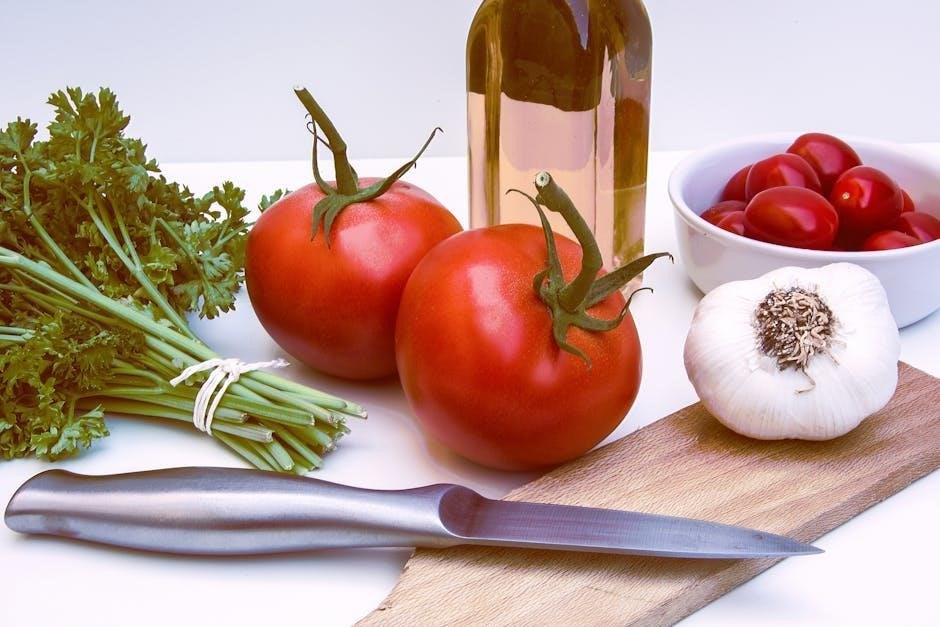
Foodology emphasizes symmetry, negative space, and the strategic use of garnishes to elevate dishes beyond sustenance. Lighting and background choices in food photography are crucial, mirroring influencer marketing techniques. This aesthetic focus extends to table settings and dining environments.
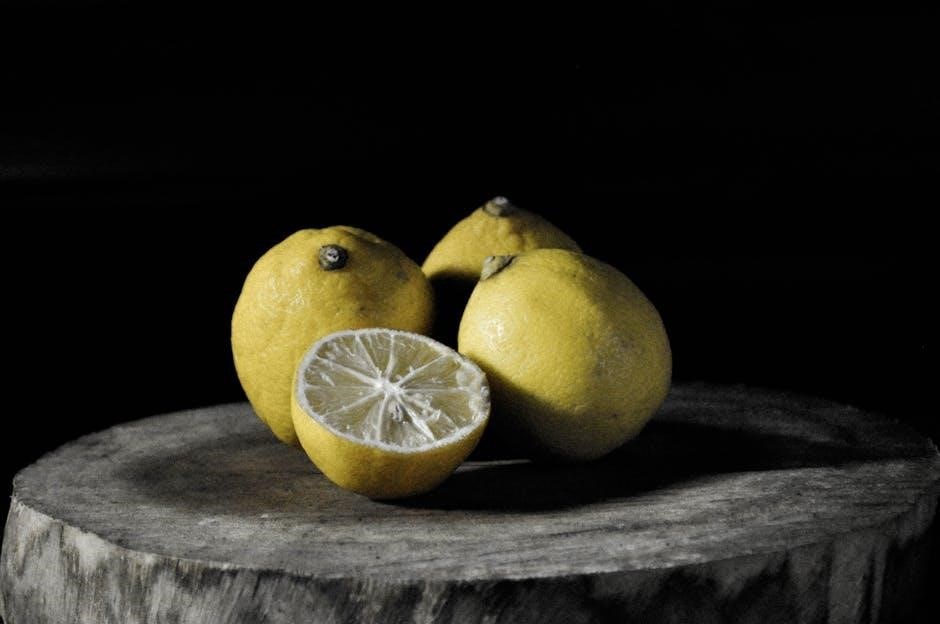
The goal isn’t simply a tasty meal, but a visually stunning composition worthy of social media sharing. Foodology leverages the power of visual cues to trigger emotional responses and create a sense of luxury or comfort, influencing perceptions of taste and quality.
Understanding Manology
Manology centers on deciphering male behavior, particularly within romantic and social contexts. It posits that understanding inherent male psychology is key to successful interaction and attraction, moving beyond traditional dating advice.
Unlike simply offering “tips,” Manology attempts to explain why men act in certain ways, attributing behaviors to evolutionary predispositions and ingrained social conditioning. Core concepts revolve around understanding male attraction triggers – often linked to perceived value, challenge, and emotional availability.
Communication styles are heavily analyzed, with emphasis on indirect communication, playful banter, and the importance of establishing emotional safety. Manology’s influence on dating advice often manifests as strategies for appearing less “available” or initiating playful challenges.
Defining Manology: Decoding Male Behavior
Manology, at its core, is a framework for interpreting male actions through a lens of evolutionary psychology and perceived social roles. It moves beyond surface-level observations, aiming to uncover the underlying motivations driving male behavior in relationships and interactions.
This isn’t about generalization, but identifying common patterns rooted in biological predispositions and societal expectations. Key to this definition is the concept of “value demonstration” – men are believed to assess potential partners based on perceived value, encompassing factors beyond physical appearance.
Decoding involves recognizing subtle cues, understanding communication styles (often indirect), and interpreting actions as expressions of interest or disinterest. Manology emphasizes that actions speak louder than words, requiring careful observation and contextual understanding.
Key Concepts in Manology – Attraction & Communication
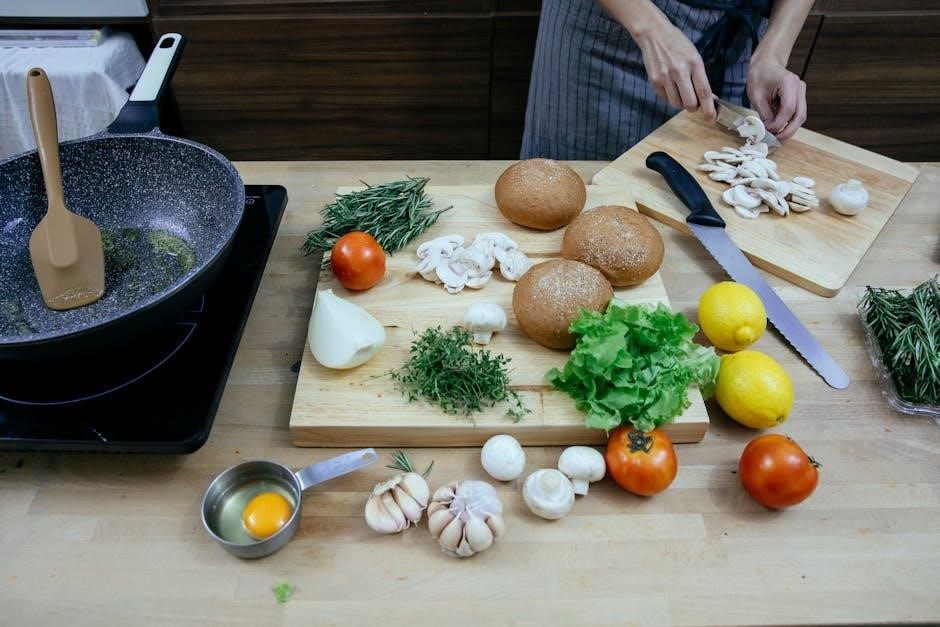
Within Manology, attraction isn’t solely physical; it’s a multifaceted evaluation of a woman’s “value,” encompassing personality, social proof, and perceived availability. This value is demonstrated through actions, not just stated intentions. Communication, crucially, is often indirect, relying on testing behaviors to gauge interest and boundaries.
“Testing” involves subtle challenges or provocations designed to assess a woman’s reaction and reveal her true feelings. These tests aren’t malicious, but rather a way for men to gauge emotional stability and compatibility. Successful navigation of these tests signals higher value.
Furthermore, Manology posits that men communicate through actions demonstrating resourcefulness, ambition, and protective instincts. Understanding these unspoken cues is vital for interpreting male behavior and fostering genuine connection. It’s about recognizing the underlying message, not just the surface-level interaction.
Manology’s Influence on Dating Advice
Manology significantly impacts contemporary dating advice, shifting the focus from traditional “be yourself” mantras to strategic behavior designed to attract and retain male attention. This often translates into recommendations for women to exhibit traits perceived as high-value – independence, confidence, and a degree of selective availability.
Dating gurus influenced by Manology advocate for minimizing emotional investment early on, avoiding appearing “too eager,” and strategically utilizing social media to project an appealing image. The emphasis is on understanding male psychology and tailoring behavior accordingly, rather than pursuing genuine emotional connection.
Critics argue this approach fosters manipulative dynamics and reinforces harmful gender stereotypes. However, proponents claim it empowers women by providing a framework for navigating the complexities of modern dating and achieving desired outcomes. It’s a controversial influence, reshaping expectations and strategies within the dating landscape.
Exploring Coleology
Coleology, a relatively recent online phenomenon, centers around a highly specific and often unattainable standard of male attractiveness and lifestyle. Originating and gaining traction on platforms like TikTok, it meticulously defines ideal physical attributes – a strong jawline, defined physique, and fashionable attire – alongside markers of success and social status.
This “Coleology standard” extends beyond mere aesthetics, encompassing behaviors and interests deemed desirable, such as ambition, confidence, and a curated social life. It’s presented not as personal preference, but as an objective hierarchy of male value, influencing perceptions of desirability and self-worth.
The trend’s name derives from a specific individual often cited as embodying these ideals, further solidifying its prescriptive nature. Coleology’s impact is increasingly visible in online dating and lifestyle content, shaping expectations and potentially fostering insecurity.
The Origins of Coleology: A Focus on Male Standards
Coleology’s emergence can be traced to online spaces where discussions about male attractiveness and social dynamics flourished, particularly on platforms like TikTok. It arose as a response – and arguably, an amplification – of existing societal pressures on men to conform to narrow definitions of success and physical appearance.
Initially, it began as observational commentary on a specific individual perceived to embody these ideals, quickly evolving into a codified set of standards. This individual became a focal point, representing the “peak” of male desirability according to Coleology’s framework.
The trend’s origins are deeply rooted in the hyper-visual nature of social media, where curated images and videos reinforce idealized representations of masculinity. It reflects a desire to categorize and quantify male worth, establishing a perceived hierarchy based on superficial attributes.
Coleology’s Emphasis on Physical Attributes

Central to Coleology is an intense focus on specific physical characteristics deemed essential for male attractiveness. These attributes extend beyond conventional standards, encompassing detailed assessments of facial structure, physique, grooming, and even subtle cues like posture and gait.
A strong jawline, symmetrical facial features, and a muscular build are consistently highlighted as desirable traits. Emphasis is placed on achieving a lean physique, often through rigorous exercise and dietary control, reflecting a commitment to self-optimization.
Coleology extends to meticulous grooming habits, including skincare, hairstyling, and fashion choices, all contributing to a carefully constructed image. This emphasis on physical perfection can create unrealistic expectations and potentially contribute to body image issues.
Criticisms and Controversies Surrounding Coleology

Coleology faces significant criticism for promoting narrow and often unattainable standards of male beauty, fostering insecurity and potentially harmful behaviors. Detractors argue it perpetuates toxic masculinity by prioritizing superficial physical traits over character and emotional intelligence.
The emphasis on a specific “ideal” can lead to body dysmorphia, eating disorders, and excessive spending on cosmetic procedures. Concerns arise regarding the objectification of men and the reinforcement of harmful gender stereotypes, limiting expressions of individuality.
Furthermore, Coleology’s exclusionary nature marginalizes men who do not conform to its prescribed aesthetic, contributing to feelings of inadequacy and social pressure. The trend is often accused of being shallow and superficial, prioritizing appearance over substance.
Foodology vs. Manology: Unexpected Connections
Surprisingly, Manology principles suggest food choices aren’t random; they’re signals. According to this framework, a man’s preferred cuisine or dining style reveals aspects of his personality, status, and even his intentions in a potential relationship.
Foodology, with its focus on aesthetic presentation, becomes a tool within this dynamic. Carefully curated meals aren’t merely about taste; they’re displays of effort, resources, and understanding of perceived preferences – a form of peacocking.
Manology posits that offering specific foods can subtly communicate attraction or desire. Conversely, rejecting certain dishes might signal disinterest or differing values. This intertwining elevates food beyond sustenance, transforming it into a complex communication method.
How Food Preferences Reflect Relationship Dynamics (According to Manology)
Manology suggests a man’s food choices reveal his resourcefulness and willingness to provide. A preference for cooking demonstrates effort and care, signaling investment in a potential partner’s well-being. Conversely, consistently choosing expensive restaurants might indicate status and financial stability.
Shared food experiences, according to this framework, are crucial for building intimacy. Disagreements over cuisine or dining habits can expose underlying value conflicts or personality clashes. The willingness to compromise on food becomes a test of compatibility.
Furthermore, Manology implies that a man’s attentiveness to a woman’s dietary needs and preferences demonstrates his level of consideration and emotional intelligence. These subtle cues contribute to overall attraction and relationship satisfaction.
Using Food as a Tool for Attraction (Foodology & Manology Combined)
Combining Foodology and Manology, attraction can be strategically enhanced through culinary displays. Presenting aesthetically pleasing, skillfully prepared meals (Foodology) signals resourcefulness and care – qualities highly valued by men, according to Manology. This isn’t merely about taste; it’s about demonstrating effort and investment.
Sharing homemade food, particularly dishes aligning with a man’s preferences, subtly communicates attentiveness and a desire to please. Conversely, selecting restaurants reflecting sophistication can project status and attract attention.
Food becomes a non-verbal communication tool, conveying personality and intentions. Mastering both the presentation and the understanding of male preferences, as outlined by Manology, maximizes its impact on attraction.
Coleology’s Impact on Food Choices & Presentation
Coleology significantly influences food choices, prioritizing aesthetics and perceived “high-value” ingredients. The emphasis isn’t solely on taste, but on projecting an image of success and refinement. This translates to a preference for visually appealing dishes, often featuring expensive components and meticulous plating – aligning with Foodology’s aesthetic focus.
Foods deemed “low-status” or overly processed are often avoided, as they contradict the Coleology ideal of self-optimization. Presentation becomes paramount; meals are curated for social media, reinforcing the visual standards. This creates pressure to consume and display food aligning with these prescribed norms.
Consequently, dietary choices can be driven by external validation rather than genuine enjoyment or nutritional needs, reflecting Coleology’s broader emphasis on external appearance.
The “Coleology Aesthetic” in Food & Lifestyle
The “Coleology Aesthetic” extends beyond food, permeating lifestyle choices to project an image of effortless sophistication and high value. In food, this manifests as minimalist plating, neutral color palettes, and an emphasis on fresh, “clean” ingredients – often showcased in curated social media posts.
This aesthetic isn’t accidental; it’s a carefully constructed performance of status, mirroring broader Coleology principles. Lifestyle elements like fitness routines, clothing, and travel destinations are similarly curated to reinforce this image. It’s about signaling success and attracting attention through visual cues.
The aesthetic prioritizes a polished, aspirational lifestyle, often unattainable for many, creating a cycle of comparison and striving for an idealized standard.
Pressure to Conform to Coleology Standards Through Food
The influence of Coleology creates significant pressure to align food choices and presentation with perceived male preferences, fostering anxiety and potentially disordered eating patterns. Individuals, particularly women, feel compelled to adopt diets and plating styles deemed “attractive” according to Coleology’s standards.
This manifests as restricting certain foods, obsessively tracking calories, and meticulously styling meals for social media validation. The focus shifts from nourishment to performance – using food as a tool for attraction rather than enjoyment.
This pressure can lead to body image issues, food-related anxiety, and a distorted relationship with eating, prioritizing external validation over personal well-being. It reinforces harmful stereotypes and perpetuates unrealistic expectations.
The Ethical Concerns
The rise of Foodology, Manology, and Coleology raises substantial ethical concerns, primarily regarding the perpetuation of harmful stereotypes and the potential for negative psychological impacts. Manology’s attempts to “decode” male behavior risk reinforcing rigid gender roles and objectification, while Coleology’s emphasis on specific physical attributes promotes unrealistic beauty standards.
These trends can contribute to body image issues, anxiety, and disordered eating, particularly among young people heavily influenced by social media. The commodification of attraction and relationships, fueled by these ideologies, is deeply problematic.
Furthermore, the prescriptive nature of these trends limits individual expression and fosters a culture of self-surveillance. The potential for manipulation and exploitation within these frameworks demands critical examination and responsible engagement.
Potential for Harmful Stereotypes in Manology & Coleology
Both Manology and Coleology are rife with the potential to reinforce damaging stereotypes. Manology often essentializes male behavior, suggesting universal motivations based on outdated or inaccurate assumptions about masculinity, potentially excusing harmful actions.
Coleology, with its focus on hyper-masculine physical ideals, perpetuates narrow definitions of attractiveness and worth, excluding diverse body types and reinforcing toxic standards. This can lead to feelings of inadequacy and self-objectification.
These trends risk reducing individuals to simplistic categories, ignoring the complexity of human personality and attraction. The emphasis on “alpha” traits or specific physical features fosters unrealistic expectations and contributes to societal pressures.
Navigating These Trends Responsibly
Ultimately, engaging with Foodology, Manology, and Coleology requires critical awareness. While offering communities and self-exploration, these trends can easily promote unrealistic expectations and harmful stereotypes. Prioritize self-acceptance and recognize that online portrayals are often curated and idealized.
Approach relationship advice with skepticism, understanding that individual compatibility is far more nuanced than any set of “rules” suggests. Focus on genuine connection and communication rather than attempting to fit prescribed molds.
Be mindful of the potential for body image issues and food-related anxiety, especially when influenced by Coleology’s aesthetic. Cultivate a healthy relationship with food and prioritize well-being over external validation.
Remember that authenticity and individuality are valuable, and resist the pressure to conform to narrow standards.