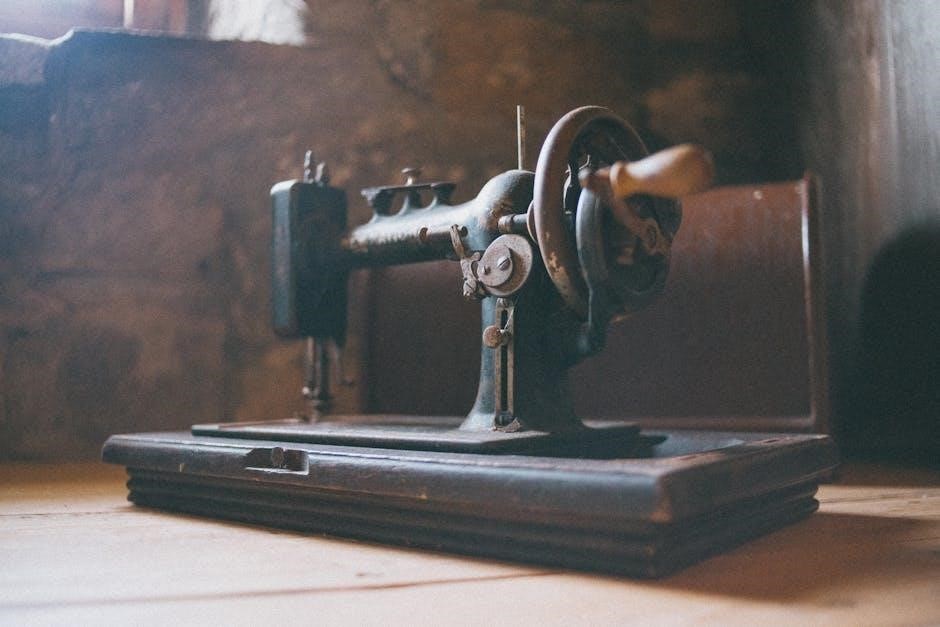
Antique Singer manuals, often available digitally, are crucial for understanding these machines․ Numerous PDF resources exist, offering guidance on setup, repair, and operation․
Historical Significance of Singer
Singer’s impact on the textile industry and domestic life is immense, with their sewing machines revolutionizing clothing production․ Early manuals, like those for the No․ 31-15, demonstrate the company’s commitment to user instruction from the beginning․
These manuals weren’t just guides; they represented Singer’s dedication to empowering users with the knowledge to maintain and operate their machines independently․ The availability of service manuals, even today, speaks to the enduring quality and design of these machines․ Finding a PDF version of a manual for models like the 237 or 9022 allows modern enthusiasts to connect with this history․
Singer’s early manuals helped democratize sewing, moving it from a specialized trade to a common household skill․
Why Use an Antique Singer Today?
Antique Singer machines offer durability and a unique sewing experience, often surpassing modern counterparts․ Access to original manuals, now frequently available as downloadable PDFs, is a key benefit for owners․ These manuals unlock the full potential of these machines, guiding users through maintenance and repair․
Understanding how to thread, wind a bobbin, and adjust tension – all detailed in the manuals – ensures optimal performance․ Even with older models like the 15K or 66K, a well-preserved manual provides invaluable troubleshooting advice․ The wealth of online resources, including Singer’s own website, makes finding the correct manual surprisingly easy․
Using a manual allows you to appreciate the engineering and craftsmanship of these iconic machines․
Identifying Your Singer Sewing Machine
Locating the correct manual requires knowing your machine’s serial and model numbers, often found on a nameplate, for accurate identification․
Decoding Serial Numbers and Model Numbers
Understanding Singer’s numbering system is key to identifying your machine and finding the correct manual․ Model numbers, like 201 or 66, designate the specific machine type, while serial numbers indicate the year of manufacture․
Serial numbers are typically found on a metal plate attached to the machine․ Websites and online databases allow you to input these numbers to determine the production date․ This dating process is vital for sourcing accurate manuals, as designs evolved over time․
Many manuals are model-specific, and using the wrong one can lead to incorrect setup or repair procedures․ Resources like singer․en-manuals․com offer extensive lists and downloadable PDFs, but accurate identification via serial and model numbers is paramount for success․
Dating Your Singer Machine
Determining the age of your Singer is essential for locating the appropriate manual and understanding its features․ Serial numbers are the primary tool for dating, with online databases cross-referencing numbers to production years․
While a serial number provides a manufacturing date, remember that Singer often produced the same model for several years․ Therefore, the manual needed might vary slightly depending on the specific year of production․ Resources like those found through searching “Singer sewing machine service manual PDF download” can help pinpoint the correct documentation․
Knowing the age also informs restoration choices; older machines may require different approaches than later models․ Accurate dating ensures you’re using the correct techniques and parts, guided by the appropriate manual․
Common Antique Singer Models (201, 66, 15)
The Singer 201, 66, and 15 are highly sought-after antique models, each with readily available manuals․ Finding the correct manual is crucial for operation and maintenance․ The Singer 201, known for its zig-zag capabilities, requires a specific manual detailing its unique features․
Similarly, the robust Singer 66, a favorite for heavy-duty fabrics, benefits from a manual outlining its powerful motor and adjustments․ The classic Singer 15, a straight-stitch workhorse, has numerous manual versions available online, often as PDF downloads․
Websites offering “Singer sewing machine manuals PDF” frequently categorize by model number, simplifying the search process․ Always verify the manual matches your machine’s serial number for accuracy․
Understanding the Manual
Antique Singer manuals provide essential instructions for operation, maintenance, and repair; digital resources offer convenient access to these valuable guides․
Locating a Manual for Your Specific Model
Finding the correct manual for your antique Singer sewing machine can seem daunting, but several resources are available․ Begin by carefully examining your machine for the model number – often found on a plate․ Once you have this, online archives like singer․en-manuals․com are excellent starting points․
These sites host a vast collection of Singer manuals in PDF format, searchable by model number․ Remember that some models share similar manuals, so cross-referencing is sometimes necessary․ If online searches prove unsuccessful, consider contacting antique sewing machine specialists or joining online forums dedicated to Singer machines; fellow enthusiasts often share manuals or can point you in the right direction․ Don’t overlook auction sites, as original manuals are occasionally sold there․
Digital Resources for Singer Manuals
Numerous online platforms offer digitized Singer sewing machine manuals, providing convenient access to historical documentation․ Websites like singer․en-manuals․com are dedicated repositories, hosting a wide range of PDFs categorized by model number․ These resources often include instruction manuals, service manuals, and parts lists, invaluable for restoration and repair․
Beyond dedicated sites, general document-sharing platforms and internet archives also contain scanned copies of vintage Singer manuals․ Utilizing specific search terms – like “Singer [model number] manual PDF” – will refine your results․ Remember to verify the manual’s authenticity and ensure it corresponds to your machine’s specific variant, as revisions occurred over time․
What Information is Typically Included?
Antique Singer manuals comprehensively detail machine operation, beginning with setup – threading diagrams are essential․ They explain bobbin winding techniques and tension adjustments for optimal stitch quality․ Detailed illustrations guide users through various stitch types and the proper use of available attachments․ Troubleshooting sections address common issues like skipped stitches or thread breaks, offering solutions․
Service manuals, more technical, provide exploded diagrams for parts identification and detailed repair instructions; These often include specifications for lubrication points and timing adjustments․ Importantly, manuals emphasize the use of genuine Singer parts for best performance and longevity, ensuring the machine’s continued functionality․
Basic Operation & Setup
Antique Singer manuals illustrate proper threading, bobbin winding, and tension settings – foundational steps for successful sewing and machine longevity․
Threading the Machine
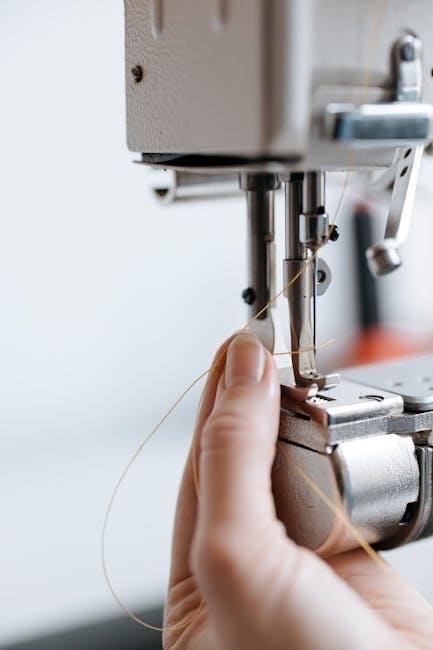
Threading an antique Singer, as detailed in its manual, requires careful attention to the specific model․ Generally, you’ll begin by raising the presser foot, ensuring the take-up lever is at its highest point․ The manual will illustrate the path the thread must follow – typically from the spool pin, through various guides, and down to the needle․
Older machines often have unique threading routes, so consulting the manual is vital․ Pay close attention to any tension discs or slots the thread must pass through․ Incorrect threading is a common cause of skipped stitches or poor stitch quality․ The manual will also specify the correct type of thread to use for optimal performance․ Following these instructions precisely will ensure smooth and reliable operation of your vintage Singer․
Winding the Bobbin
Winding the bobbin on an antique Singer, as illustrated in the manual, typically involves placing the spool of thread on the spool pin and guiding it through a tension disc․ The thread then wraps around the bobbin several times before being secured․ Engaging the bobbin winder mechanism, often by sliding a lever, initiates the winding process․
The manual will detail the correct bobbin size and type for your specific model․ It’s crucial to wind the bobbin evenly and not too tightly, to prevent issues during sewing․ Many older Singers have a clutch mechanism that disengages the needle when winding․ Refer to your manual for precise instructions and diagrams, ensuring a smoothly wound bobbin for consistent stitching and avoiding potential machine malfunctions․
Adjusting Tension
Tension adjustment, detailed in your Singer manual, is vital for balanced stitches․ Incorrect tension leads to looping or puckering․ The manual illustrates the tension dial, usually numbered, and explains how adjustments affect the top and bobbin threads․ Begin with the factory settings and test sew on scrap fabric․
If the top thread loops on the underside, increase the top tension․ Conversely, if the bobbin thread pulls through to the top, decrease the top tension․ Small adjustments are key; the manual emphasizes incremental changes․ Consistent thread type and weight are also crucial․ Refer to the manual’s troubleshooting section for specific tension issues related to different fabrics and stitch types, ensuring optimal sewing performance․
Maintenance and Troubleshooting

Antique Singer manuals detail cleaning, oiling, and solutions for common issues like skipped stitches or thread breaks, ensuring longevity and smooth operation․
Cleaning and Oiling
Your antique Singer sewing machine manual is the primary guide for proper maintenance․ Regularly cleaning removes lint and debris, preventing jams and ensuring smooth operation․ The manual specifies appropriate cleaning methods – often a soft brush and occasionally kerosene for stubborn buildup․
Oiling is equally vital, reducing friction and wear on moving parts․ Singer manuals detail specific oiling points, typically including the bobbin area, shuttle hook, and all moving linkages․ Use a sewing machine oil, not household oil, as it’s formulated for these delicate mechanisms․
Over-oiling is as detrimental as under-oiling, attracting dust․ Follow the manual’s guidance carefully, wiping away any excess․ Consistent cleaning and oiling, as described in your machine’s manual, will significantly extend its lifespan and maintain its performance․
Common Problems and Solutions (Skipped Stitches, Thread Breaks)
Your Singer sewing machine manual is invaluable when troubleshooting․ Skipped stitches often indicate incorrect threading, a dull needle, or improper tension․ The manual illustrates the correct threading path and tension settings for various fabrics․ Thread breaks frequently stem from poor quality thread, a wrongly sized needle, or lint buildup in the tension discs․
Consult the manual for recommended needle types and sizes․ Regularly cleaning, as detailed within, prevents lint accumulation․ If problems persist, the manual may guide you through adjusting the timing – a more advanced procedure․
Remember, attempting repairs beyond your skill level could cause further damage․ Many online resources and manuals offer detailed diagrams and solutions for common issues, ensuring your antique Singer continues to function beautifully․
Replacing Parts – Where to Find Them
Your antique Singer sewing machine manual often lists part numbers, essential for replacements․ Finding parts requires dedicated sourcing․ Online marketplaces like eBay frequently host vintage Singer components, but verify seller reputation and part compatibility․ Specialized sewing machine parts retailers, often listed in online forums dedicated to antique Singers, are excellent resources․
Some retailers maintain extensive databases searchable by model number, simplifying the process․ Before ordering, cross-reference the part number with your manual․ Consider joining online Singer communities; members often share sources and advice․
Be prepared for potential costs, as some parts are rare․ Carefully inspect the replacement part upon arrival to ensure it matches the original and is in good working condition․
Advanced Techniques & Features
Antique Singer manuals detail specialized stitches and attachment usage, unlocking the machine’s full potential for complex projects and creative sewing techniques․
Understanding Different Stitch Types
Antique Singer sewing machine manuals are invaluable for deciphering the diverse stitch capabilities of these vintage machines․ Early models, while seemingly simple, often featured a surprising range of stitch options beyond the standard straight stitch․
Manuals meticulously illustrate and explain how to achieve zig-zag stitches, decorative patterns, and even specialized stitches for particular fabrics or garment constructions․ They detail the necessary adjustments to stitch length and width, and often include sample fabric swatches demonstrating the resulting stitch appearance․
Understanding these stitch types requires careful study of the manual’s diagrams and instructions․ Many manuals also provide guidance on troubleshooting stitch imperfections, helping users achieve professional-quality results with their antique Singer․ Accessing a model-specific manual unlocks a world of creative possibilities․
Using Attachments and Accessories
Antique Singer sewing machine manuals are essential for correctly utilizing the wide array of attachments and accessories originally designed for these machines․ These weren’t simply add-ons; they significantly expanded the machine’s functionality, enabling diverse sewing tasks․
Manuals provide detailed illustrations and instructions for installing and operating attachments like hemmers, gatherers, rufflers, and embroidery hoops․ They explain the specific settings required for each attachment to achieve optimal results, preventing damage to both the machine and the fabric․
Understanding how to use these accessories unlocks the full potential of your vintage Singer․ Many manuals also offer project ideas demonstrating the capabilities of each attachment․ Locating the correct manual is key to safely and effectively employing these often-overlooked tools, enhancing your sewing experience․
Free Arm Operation
Antique Singer sewing machine manuals frequently detail the use of the free arm, a feature allowing for easier sewing of cuffs, sleeves, and other cylindrical items․ The manual will illustrate how to remove the extension table, converting the machine into its free arm configuration․
Properly understanding this process, as outlined in the manual, is crucial to avoid damaging the machine․ It explains the correct method for detaching and reattaching the table, ensuring a stable and secure sewing platform․
The manual also clarifies which presser feet are best suited for free arm sewing and provides guidance on maneuvering fabric around the arm․ Mastering this technique expands the versatility of your vintage Singer, enabling you to tackle a wider range of garment construction projects with ease and precision․
Restoration and Repair
Antique Singer manuals aid restoration by detailing disassembly, part identification, and proper lubrication points, crucial for both DIY repairs and professional restoration․
Assessing the Condition of Your Machine
Before embarking on restoration, a thorough assessment is vital, and your antique Singer manual becomes an invaluable tool․ Begin by carefully examining the machine’s exterior for rust, damage to the finish, and missing parts․ Consult the manual’s parts list to identify anything absent․
Next, attempt to manually turn the handwheel; resistance indicates potential internal issues․ Check for smooth operation and listen for unusual noises․ The manual often details expected movement and sounds․ Inspect the bobbin area for debris or corrosion․
Referencing exploded diagrams within the manual helps understand component relationships․ Note any discrepancies between the machine’s current state and the manual’s illustrations․ This detailed assessment, guided by the manual, informs your restoration plan and budget․
Professional Restoration vs․ DIY Repair
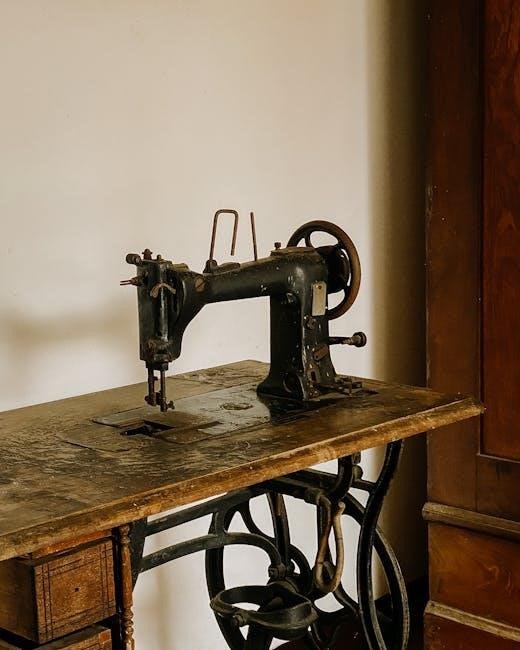
Deciding between professional restoration and DIY repair hinges on your skill level and the machine’s condition․ Your antique Singer manual is key – can you confidently follow its disassembly/reassembly instructions? Simple tasks like cleaning and oiling, detailed in the manual, are excellent starting points for DIYers․
However, complex repairs – involving motor work, intricate mechanical adjustments, or significant parts replacement – often demand a professional․ A restorer possesses specialized tools and expertise․ The manual’s schematics can help you gauge repair complexity․
Professional restoration preserves originality, while DIY repairs may necessitate using modern equivalents if original parts are unavailable․ Consider the machine’s value and your desired outcome when making this decision; the manual aids informed choice․
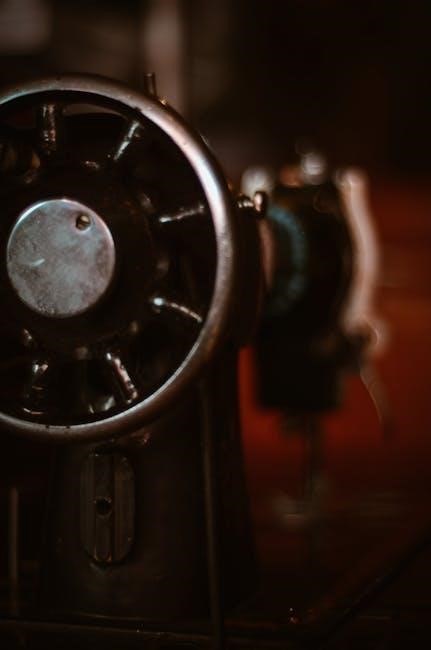
Resources for Restoration Supplies
Locating parts for antique Singer restoration requires diligent searching․ Your Singer sewing machine manual often includes parts lists, aiding identification․ Online databases specializing in Singer parts are invaluable, offering exploded diagrams and component numbers․
Numerous websites cater specifically to antique sewing machine enthusiasts, selling original and reproduction parts․ Auction sites can yield rare finds, but require careful inspection․ Forums dedicated to Singer machines provide a community for sourcing hard-to-find items․
Don’t overlook local sewing machine repair shops; they may have salvaged parts or know of suppliers․ Remember to cross-reference parts with your manual to ensure compatibility before purchasing․ Patience and research are key to successful restoration․