Wedding Band Width Guide: A Comprehensive Overview (Updated 04/21/2026)
Considering a proposal? This guide explores optimal wedding band widths for both partners‚ reflecting current trends and offering sizing advice for a perfect fit;
Selecting the right wedding band width is a crucial decision‚ often overlooked amidst the excitement of engagement and wedding planning․ Beyond style and metal‚ the width significantly impacts comfort‚ appearance‚ and how well the band complements the wearer’s hand․ This guide provides a detailed exploration of wedding band widths‚ catering to diverse preferences and lifestyles․
Traditionally‚ wedding bands were simpler in design‚ but modern couples are embracing a wider range of styles and widths; Understanding the nuances of each width – from delicate 4mm bands to bolder 10mm options – is key to finding the perfect symbol of commitment․ Valentine’s Day often sparks proposals‚ making informed choices even more vital․ We’ll navigate these options‚ ensuring a comfortable and aesthetically pleasing fit for both partners;
Why Wedding Band Width Matters
The width of a wedding band isn’t merely aesthetic; it profoundly affects comfort and practicality․ A band that’s too wide can feel cumbersome‚ interfering with daily activities‚ especially for those with active lifestyles or jobs requiring manual dexterity․ Conversely‚ a band that’s too narrow might appear disproportionate on a larger hand or feel less substantial․
Furthermore‚ width influences the band’s visual impact․ Wider bands make a bolder statement‚ reflecting a more contemporary style‚ while slimmer bands offer a classic‚ understated elegance․ Considering hand size‚ finger length‚ and personal style is paramount․ Choosing the right width ensures the band feels secure‚ looks balanced‚ and remains a comfortable‚ cherished symbol of your commitment for years to come – a decision often made after a romantic Valentine’s Day proposal․
Understanding Common Width Measurements
Wedding band widths are typically measured in millimeters (mm)․ The most frequently encountered widths range from 2mm to 10mm‚ though variations exist․ A 2mm band is exceptionally delicate‚ often favored for stacking or as an engagement ring alternative․ Moving up‚ 4mm and 5mm widths are popular choices for women‚ offering a balance between subtlety and presence․
For men‚ 6mm‚ 7mm‚ and 8mm are considered standard‚ providing a comfortable and visually appealing fit․ Wider bands‚ 9mm and 10mm‚ create a bolder look․ It’s crucial to remember these are guidelines; individual preference and hand size dictate the ideal width․ Accurate measurement‚ ideally by a professional jeweler‚ is key to ensuring a perfect‚ comfortable fit․
Popular Widths for Men’s Wedding Bands
Men’s wedding band widths have evolved‚ with preferences shifting towards more substantial styles․ 6mm wedding bands remain a classic‚ suiting men with slender hands or those preferring a understated look․ 7mm bands offer a balanced aesthetic‚ versatile enough for various lifestyles and hand sizes․
Currently‚ 8mm wedding bands are gaining prominence as a modern standard‚ providing a noticeable presence without being overly bulky․ For those desiring a bolder statement‚ 9mm & 10mm bands are increasingly popular‚ particularly among men with larger hands․ Ultimately‚ the best width complements hand size and personal style‚ ensuring both comfort and confidence․
6mm Wedding Bands: A Classic Choice
A 6mm wedding band represents a timeless and refined aesthetic‚ consistently favored for its understated elegance․ This width is particularly well-suited for men with smaller hands or those who prefer a more subtle appearance․ It’s a versatile option‚ easily paired with other jewelry or worn solo for a minimalist look․
The 6mm width doesn’t compromise on durability or style; it simply offers a more streamlined profile․ It’s an excellent choice for individuals with active lifestyles‚ as the slimmer band is less likely to snag or interfere with daily activities․ This classic width remains a popular selection for its enduring appeal and comfortable fit․
7mm Wedding Bands: Balanced and Versatile
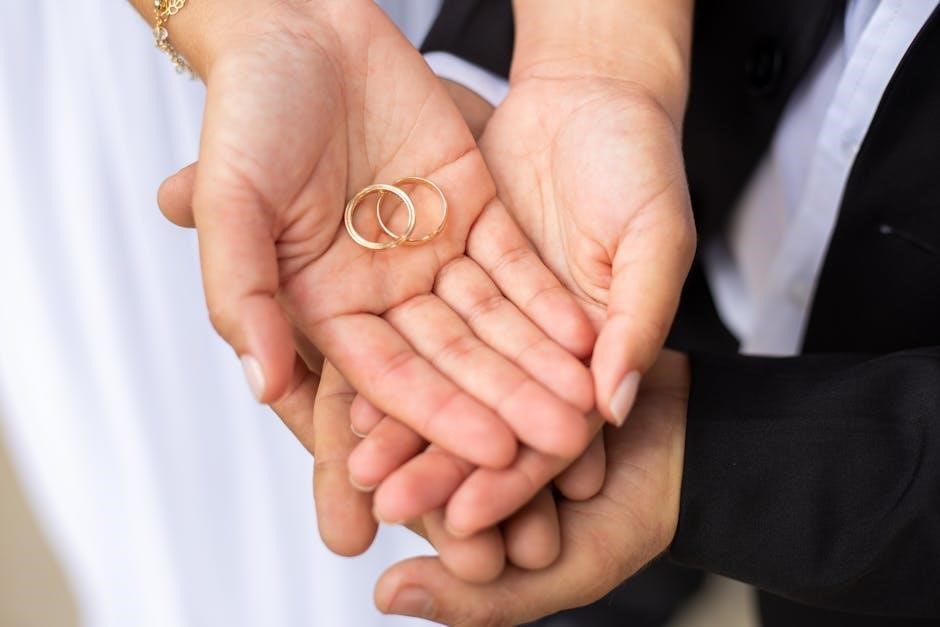
The 7mm wedding band strikes an ideal balance between prominence and subtlety‚ making it a remarkably versatile choice for many men․ It’s a width that complements a broad range of hand sizes and personal styles‚ offering a comfortable and secure fit for everyday wear․ This band isn’t overly bulky‚ yet it still makes a noticeable statement․
Its balanced design allows for greater customization options‚ from simple plain bands to those featuring intricate detailing or gemstone accents․ The 7mm width is a popular selection for those seeking a classic look with a modern edge‚ suitable for both formal and casual occasions․ It’s a truly adaptable and enduring style․
8mm Wedding Bands: A Modern Standard
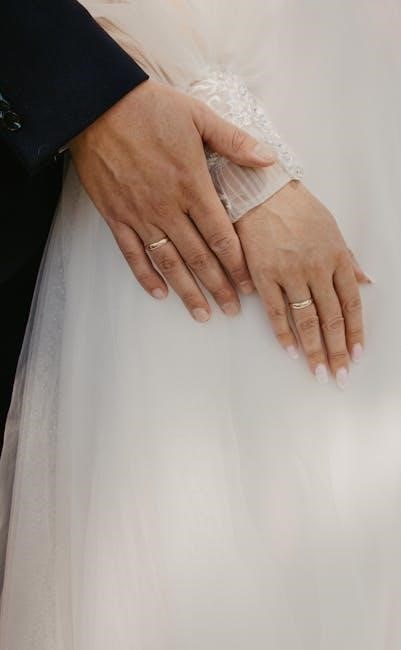
Currently‚ the 8mm wedding band has emerged as a modern standard for men’s wedding bands‚ offering a substantial yet comfortable presence on the finger․ It’s a popular choice for those desiring a noticeable band without venturing into overly bold territory․ This width provides ample space for detailed designs‚ engravings‚ or the inclusion of small gemstones․
The 8mm width generally suits men with medium to larger hands‚ providing a proportionate and aesthetically pleasing look․ It’s a versatile option that transitions seamlessly from daily wear to special occasions․ Many consider it a contemporary classic‚ balancing tradition with current style preferences‚ making it a consistently favored selection․
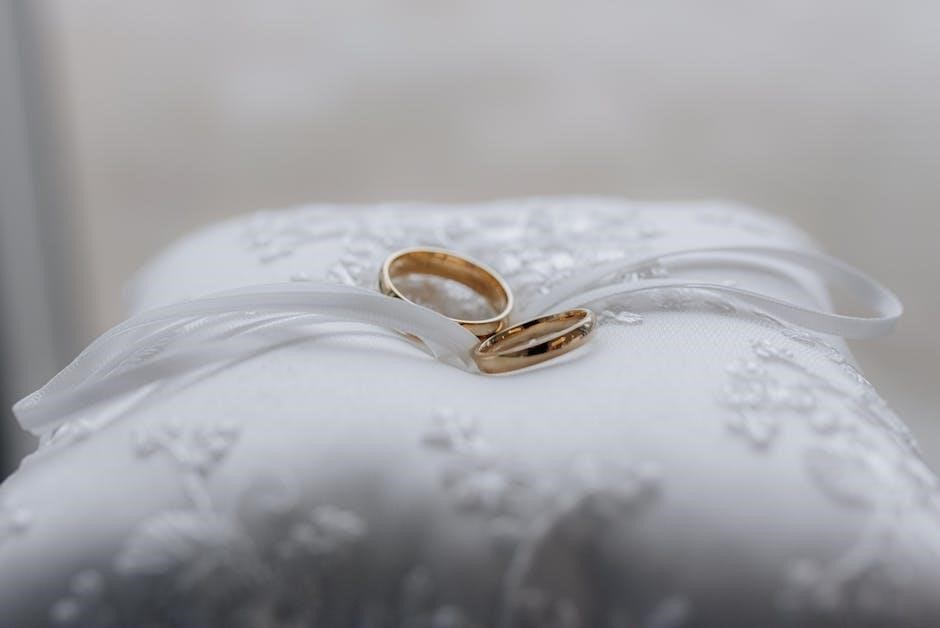
9mm & 10mm Wedding Bands: Bold Statements
For men seeking a truly prominent and impactful wedding band‚ 9mm and 10mm widths represent bold statements of commitment and personal style․ These wider bands command attention and are ideal for individuals with larger hands who want a substantial feel․ They offer a significant canvas for intricate designs‚ elaborate engravings‚ or the incorporation of multiple stones․
However‚ comfort is key; wider bands can feel less comfortable for those unaccustomed to them․ These widths are particularly popular among individuals with active lifestyles or those who prefer a more rugged aesthetic․ Choosing a slightly rounded interior can enhance comfort‚ ensuring a secure and enjoyable fit throughout daily wear․
Popular Widths for Women’s Wedding Bands
When selecting a wedding band‚ women often gravitate towards more delicate and refined widths‚ though preferences are incredibly diverse․ Popular choices range from understated 4mm bands to more noticeable 6mm options․ The ideal width often complements the engagement ring‚ creating a harmonious and balanced aesthetic on the hand․
Narrower bands (4mm & 5mm) offer a classic‚ feminine look‚ while wider bands (5mm & 6mm) provide a more contemporary feel and can better match a larger engagement ring․ Considering finger length and hand size is crucial; slender fingers often benefit from narrower bands‚ while larger hands can accommodate wider styles comfortably․
4mm Wedding Bands: Delicate and Feminine
A 4mm wedding band embodies understated elegance‚ making it a timeless choice for women seeking a delicate and feminine aesthetic․ This width is particularly well-suited for those with slender fingers‚ as it maintains proportion and avoids overwhelming the hand․ It’s a classic option that pairs beautifully with most engagement ring styles‚ offering a subtle yet sophisticated look․
Often favored for its comfort‚ a 4mm band feels lightweight and unobtrusive during daily wear․ It’s an excellent choice for women who prefer minimalist jewelry or lead active lifestyles․ This width allows for intricate detailing‚ like milgrain or pavé diamonds‚ to add a touch of sparkle without appearing overly ornate․
5mm Wedding Bands: A Popular All-Rounder
The 5mm wedding band strikes a perfect balance‚ making it an incredibly versatile and popular choice for women․ It’s substantial enough to make a statement‚ yet remains comfortable for everyday wear․ This width complements a wide range of hand sizes and engagement ring styles‚ offering a harmonious look without competing for attention․
Considered a ‘just right’ option by many‚ the 5mm band provides ample space for decorative elements like channel-set diamonds or subtle engravings․ It’s a fantastic choice for women who want a noticeable band without feeling bulky or heavy․ Its adaptability makes it a safe and stylish bet for diverse preferences and lifestyles․
6mm Wedding Bands: Matching His & Hers Options
A 6mm wedding band presents a fantastic opportunity for couples seeking a coordinated‚ yet not identical‚ look․ It’s a popular width for both men and women‚ allowing for ‘His & Hers’ pairings that feel unified without being overly matchy-matchy․ For men‚ 6mm offers a comfortable and stylish presence‚ while for women‚ it provides a noticeable yet elegant band․
This width is particularly appealing to couples who prefer a classic aesthetic․ It’s versatile enough to accommodate various metal types and finishes‚ and pairs beautifully with most engagement ring settings․ Choosing 6mm bands allows for a subtle connection in design‚ reinforcing the symbolism of a shared commitment․
Factors Influencing Width Selection
Selecting the ideal wedding band width isn’t solely about aesthetics; several practical and personal factors come into play․ Hand size and finger length are crucial – wider bands can appear disproportionate on smaller hands‚ while slimmer bands might get lost on larger ones․ Your lifestyle matters too; an active job may necessitate a narrower‚ more durable band to avoid snagging or damage․
Personal style and preferences are paramount․ Do you gravitate towards minimalist designs or bolder statements? Finally‚ metal type influences perceived width; platinum appears slightly slimmer than gold․ Considering these elements ensures a comfortable‚ stylish‚ and long-lasting choice․
Hand Size and Finger Length
Proportion is key when considering wedding band width relative to hand size and finger length․ Individuals with smaller hands and shorter fingers generally find wider bands (8mm+) overwhelming‚ potentially appearing bulky or uncomfortable․ Conversely‚ those with larger hands can comfortably wear wider bands‚ creating a balanced aesthetic․
Narrower bands (4-6mm) often suit smaller hands‚ offering a delicate and elegant look․ It’s vital to visualize how the width complements the overall hand shape; Trying on various widths is highly recommended to determine what feels and looks most harmonious․ Remember‚ comfort and visual balance are equally important considerations․
Lifestyle Considerations (Active vs․ Desk Job)
Your daily activities significantly influence the ideal wedding band width․ Those with physically demanding jobs or active lifestyles – construction‚ mechanics‚ frequent gym-goers – may prefer narrower bands (6mm or less)․ These minimize snagging‚ potential damage‚ and discomfort during movement․ A lower profile reduces the risk of the ring catching on equipment or surfaces․
Individuals with desk jobs or less physically strenuous routines have greater flexibility․ Wider bands (7mm+) can be worn comfortably without significant risk of damage or interference․ Consider how the ring will interact with your work environment and hobbies to ensure practicality alongside style․
Personal Style and Preferences
Ultimately‚ the best wedding band width reflects your individual style․ Minimalists often gravitate towards slimmer bands (4-6mm) for a subtle‚ understated look․ Those who prefer a bolder aesthetic might opt for wider bands (8mm+) to make a statement․
Consider your existing jewelry – do you typically wear delicate or substantial pieces? The wedding band should complement your overall style․ Don’t be afraid to try on various widths to see what feels most ‘you’․ It’s a piece you’ll wear every day‚ so comfort and personal satisfaction are paramount․ Explore different options and trust your instincts!
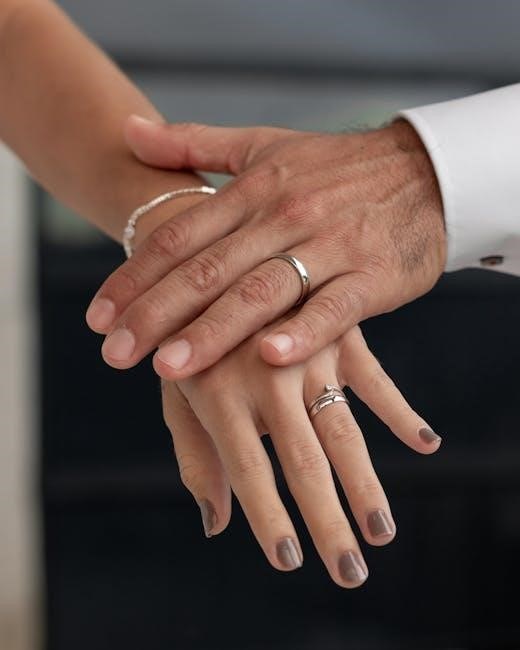
Metal Type and Width Compatibility
The chosen metal significantly impacts how a band’s width appears․ Wider bands in lighter metals like titanium can feel visually bulky‚ while the same width in platinum appears more substantial due to its density․
Gold’s malleability allows for intricate designs in various widths‚ but very thin widths in softer golds may be prone to bending․ Tungsten’s hardness suits wider bands‚ offering durability․ Consider the metal’s color too – rose gold can appear more delicate in slimmer widths‚ while white gold complements bolder designs․ Balancing metal properties with desired width is key․
Width Considerations for Different Metals
Metal density and hardness dictate ideal widths․ Platinum‚ being dense‚ maintains a substantial look even at 4mm‚ while gold benefits from 6mm+ for presence․ Titanium‚ lightweight‚ often looks best at 7mm or wider․
Tungsten’s inherent weight and durability suit bolder widths (8mm+)․ Palladium‚ similar to platinum‚ works well across a range‚ but avoid excessively thin profiles․ Consider how the metal’s color interacts with width; darker metals can handle wider bands‚ while lighter shades may appear balanced in slimmer designs․ Prioritize comfort and visual harmony․
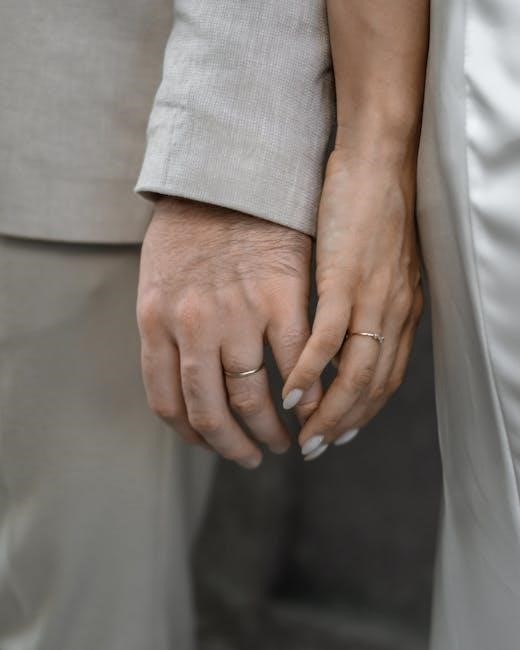
Platinum Wedding Band Widths
Platinum’s high density allows for slimmer profiles that still feel substantial․ 4mm to 6mm widths are popular for women‚ offering delicate elegance․ Men often prefer 6mm to 8mm‚ providing a classic‚ masculine appearance․ Wider 9mm or 10mm platinum bands make a bold statement‚ showcasing the metal’s natural luster․
Due to platinum’s cost‚ many opt for moderate widths․ Consider the finger size; larger hands can accommodate wider bands comfortably; Platinum’s durability means it can withstand daily wear at various widths‚ maintaining its shape and polish for years․
Gold Wedding Band Widths (Yellow‚ White‚ Rose)
Gold’s malleability influences width choices; wider bands (6mm-10mm) feel substantial for men‚ while 4mm-6mm suit women’s hands․ Yellow gold traditionally leans towards classic widths‚ while white and rose gold often see trends towards modern‚ slimmer designs․ Consider the karat – higher karat gold is softer and may benefit from moderate widths for durability․
Rose gold’s romantic hue looks lovely in 5mm-7mm widths․ White gold complements wider bands‚ enhancing its sleek appearance․ Gold’s color impacts perceived width; lighter shades appear larger․ Prioritize comfort and lifestyle when selecting a gold band width․
Titanium & Tungsten Width Options
Titanium and tungsten‚ known for their strength and scratch resistance‚ offer diverse width options․ Typically‚ men’s titanium or tungsten bands range from 8mm to 12mm‚ providing a bold‚ masculine look․ Women often prefer slimmer profiles‚ between 4mm and 6mm‚ for a more delicate aesthetic․
Due to their durability‚ wider tungsten bands are comfortable for active lifestyles․ Titanium’s lightweight nature allows for comfortable wear even at larger widths․ Consider that these metals cannot be resized‚ so accurate sizing is crucial․ Both materials pair well with various finishes and inlays‚ enhancing their visual appeal․
Palladium Wedding Band Widths
Palladium‚ a platinum group metal‚ presents a beautiful and durable option for wedding bands․ Common widths for palladium bands mirror those of platinum and white gold․ Men frequently choose widths between 6mm and 9mm‚ offering a substantial yet refined appearance․ Women tend towards more delicate designs‚ typically ranging from 4mm to 6mm․
Palladium’s naturally white hue maintains its luster without rhodium plating․ Wider bands showcase the metal’s inherent shine‚ while slimmer bands offer understated elegance․ Consider the design; intricate detailing benefits from slightly wider bands․ Accurate sizing is vital‚ as resizing palladium can be complex․
Matching Wedding Band Widths: Couples’ Guide
Coordinating wedding band widths creates a harmonious aesthetic‚ symbolizing unity․ Many couples opt for identical widths‚ such as both choosing 6mm or 8mm bands‚ for a classic‚ balanced look․ However‚ complementary styles are also popular․ A slightly narrower band for her‚ like 5mm paired with his 7mm‚ offers subtle distinction․
Stacking bands introduces another dimension․ Ensure widths and designs flow seamlessly․ A wider center band with slimmer flanking bands creates visual interest․ Consider the overall proportion on your hands․ Ultimately‚ the best match reflects your shared style and individual preferences‚ celebrating your unique connection․
Coordinating Widths for a Unified Look
Achieving a unified aesthetic with wedding bands often involves selecting matching widths․ This creates a sense of balance and visual harmony‚ symbolizing the couple’s equal partnership․ Popular choices include both partners opting for 6mm‚ 7mm‚ or 8mm bands‚ offering timeless appeal․
Consider the overall style – classic‚ modern‚ or minimalist․ Identical widths work particularly well with simpler band designs․ This approach emphasizes the shared commitment and creates a cohesive look on both hands․ It’s a straightforward yet elegant option‚ ensuring a consistently stylish statement of love and unity throughout your lives together․
Slightly Different Widths for Complementary Styles
For couples with differing preferences‚ subtly contrasting widths can create a beautifully complementary look․ A common approach is for the groom to choose a 7mm or 8mm band‚ while the bride opts for a more delicate 5mm or 6mm width․
This difference acknowledges individual styles while still maintaining a connection․ It’s ideal when one partner prefers a bolder statement and the other a more understated elegance․ Ensure the bands complement each other in metal type and design to avoid clashing․ This approach allows for personalization without sacrificing a unified‚ harmonious appearance‚ reflecting both individuality and togetherness․
Stacking Wedding Bands: Width and Design Harmony
When planning to stack wedding bands – engagement ring‚ wedding band‚ or additional bands – careful consideration of width is crucial; A wider engagement ring typically pairs well with a slightly thinner wedding band‚ around 2mm to 4mm‚ to maintain balance․
Avoid overwhelming the hand with excessive bulk․ Varying textures and designs can add visual interest․ For example‚ a plain band alongside a diamond-studded one․ Ensure the bands sit flush against each other without gaps․ Prioritize comfort; stacked bands shouldn’t restrict movement․ Ultimately‚ harmonious stacking creates a personalized and elegant statement․
Trends in Wedding Band Widths (2026)
As we move into 2026‚ several key trends are emerging in wedding band widths․ For men‚ wider bands – 8mm to 10mm – are gaining significant popularity‚ reflecting a desire for bolder‚ more substantial designs․ Conversely‚ women are increasingly opting for slimmer bands‚ often in the 4mm to 5mm range‚ prioritizing delicate and feminine aesthetics․
Furthermore‚ mixed metal combinations paired with varying widths are becoming increasingly fashionable․ Couples are experimenting with contrasting finishes and band thicknesses to create unique‚ personalized looks․ This trend allows for individual expression while maintaining a cohesive style․ Expect to see continued innovation in band profiles and textures as well․
The Rise of Wider Bands for Men
Historically‚ 6mm and 7mm bands were standard for men‚ but a noticeable shift is occurring․ In 2026‚ we’re witnessing a strong preference for bolder statements‚ with 8mm‚ 9mm‚ and even 10mm widths becoming increasingly popular․ This trend reflects evolving masculine aesthetics‚ favoring substantial and confident designs․
Several factors contribute to this rise․ Wider bands offer more surface area for intricate detailing‚ like brushed finishes or inlaid accents․ They also visually balance larger hands and create a more impactful presence․ Men are seeking wedding bands that reflect their individual style and personality‚ and wider bands provide a canvas for self-expression․ This trend isn’t just about size; it’s about making a statement․
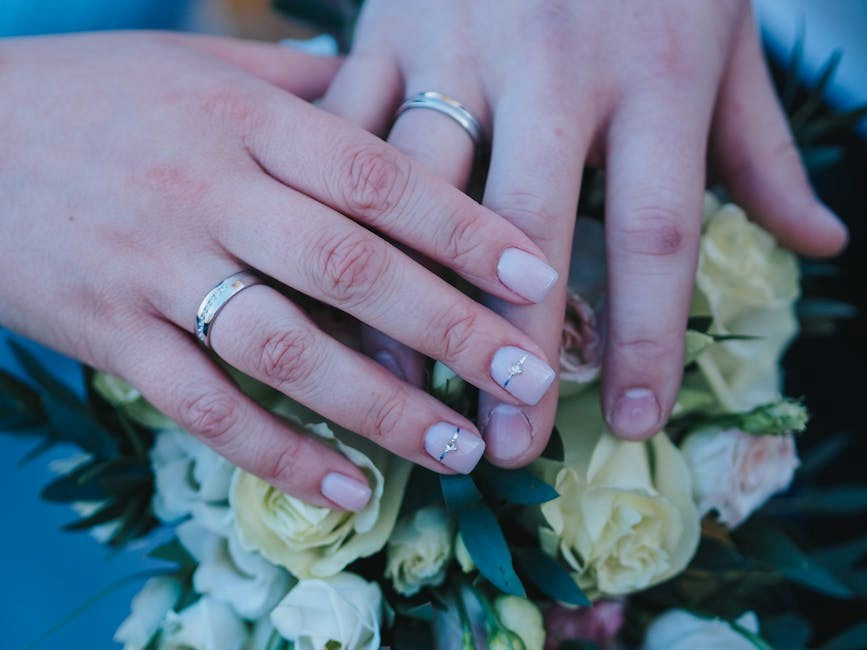
Slimmer Bands Gaining Popularity for Women
While classic 5mm and 6mm widths remain popular‚ a growing number of women are opting for more delicate and refined wedding bands․ 4mm bands‚ and even slightly narrower options‚ are experiencing a surge in demand‚ driven by a desire for understated elegance and comfortable wear․
This trend aligns with minimalist jewelry aesthetics and a preference for subtle sophistication․ Slimmer bands often complement more elaborate engagement rings without overpowering them‚ creating a harmonious and balanced look․ They are also ideal for women with smaller hands or those who prefer a less prominent band․ The focus is shifting towards quality craftsmanship and delicate details rather than sheer width․
Mixed Metal and Width Combinations
In 2026‚ couples are increasingly embracing individuality with creative wedding band pairings․ Combining different metal types – like rose gold with platinum‚ or yellow gold with titanium – is a prominent trend‚ allowing for personalized expressions of style․ This extends to width variations as well‚ moving beyond traditional matching sets․
For example‚ a woman might choose a delicate 4mm white gold band to complement her engagement ring‚ while her partner opts for a bolder 8mm tungsten band․ This approach creates visual interest and reflects each partner’s unique taste․ Designers are responding with bands specifically designed for stacking and mixing‚ offering seamless transitions and harmonious aesthetics․
Where to Buy and Get Sized

Finding the perfect band requires both selection and accurate sizing․ Reputable online retailers offer extensive choices and competitive pricing‚ but professional sizing is crucial․ Local jewelers provide personalized service‚ expert guidance‚ and precise measurements using calibrated ring sizers․
Don’t rely on self-sizing methods; finger size can fluctuate․ A jeweler can account for knuckle size and ensure a comfortable fit․ They can also advise on width considerations based on hand shape․ Prioritize jewelers with strong reputations and transparent return policies․ Remember to get sized later in the day‚ as fingers tend to swell․
Reputable Online Retailers
Numerous online retailers specialize in wedding bands‚ offering diverse styles and price points․ James Allen and Blue Nile are well-known for their extensive selections and 360° imaging‚ allowing detailed viewing․ Etsy provides access to handcrafted and vintage options‚ supporting independent artisans․
Before purchasing‚ verify the retailer’s return policy and warranty․ Read customer reviews to assess quality and service․ Ensure the site is secure (HTTPS) to protect your financial information․ Consider retailers offering free shipping and resizing services․ Compare prices across multiple platforms‚ but prioritize trustworthiness over solely the lowest cost․
Local Jewelers and Their Expertise
Visiting a local jeweler offers personalized service and the opportunity to try on various widths firsthand․ Experienced jewelers can provide expert guidance on metal types‚ sizing‚ and design options tailored to your preferences and lifestyle․ They can also assist with custom designs‚ creating a truly unique band․
Established jewelers often have longstanding relationships with suppliers‚ ensuring quality craftsmanship․ They can offer professional cleaning and maintenance services to keep your band looking its best for years to come․ Don’t hesitate to ask about their policies on repairs and resizing‚ and compare their pricing with online retailers․
Importance of Professional Sizing
Accurate ring sizing is crucial for comfort and preventing loss․ Finger size fluctuates with temperature and time of day‚ making professional measurement essential․ Jewelers use specialized tools – ring mandrels – to determine precise sizes‚ accounting for knuckle size and width preferences․
Avoid self-sizing with string or paper‚ as these methods are often inaccurate․ A professional sizing ensures a secure fit that won’t easily slip off or feel constricting․ Consider getting sized multiple times‚ especially if you’ve recently experienced weight changes or significant temperature shifts․ Proper sizing prevents costly resizing later!