
Simplicity Riding Mower Manual: A Comprehensive Guide
This manual provides essential guidance for operating and maintaining Simplicity riding mowers, ensuring optimal performance and longevity for your valuable equipment.
Simplicity riding mowers are renowned for their durability, precision engineering, and superior cutting performance, catering to both residential and professional landscaping needs. This introduction will familiarize you with the core principles behind Simplicity’s design philosophy – a commitment to building robust, long-lasting machines.
These mowers distinguish themselves through features like heavy-duty frames, powerful engines, and innovative deck designs, ensuring a clean and even cut every time. Understanding the foundational elements of your Simplicity mower is crucial for safe and efficient operation. This manual serves as a comprehensive resource, guiding you through every aspect of ownership, from initial setup to routine maintenance.
Whether you’re a seasoned landscaping professional or a homeowner maintaining a beautiful lawn, this guide will empower you to maximize the potential of your Simplicity riding mower.
Understanding Your Mower Model
Each Simplicity riding mower model possesses unique characteristics and features tailored to specific landscaping demands. Identifying your exact model number is the first step towards accessing relevant information and ensuring proper maintenance. This number, typically found on the mower’s frame or engine, unlocks access to specific parts diagrams and tailored service recommendations.
Familiarize yourself with the location of key components, including the engine, fuel tank, oil dipstick, air filter, and mower deck; Understanding the function of each part is vital for troubleshooting and performing routine upkeep. Different models may offer varying deck sizes, engine horsepower, and transmission types.
Consult the model-specific section of this manual, or the Simplicity website, to fully grasp the capabilities and nuances of your particular mower.
Safety Precautions & Warnings
Operating a riding mower involves inherent risks; prioritizing safety is paramount. Always read and understand this manual before operating your Simplicity mower. Keep children and pets well clear of the mowing area during operation and when the mower is undergoing maintenance. Never allow untrained individuals to operate the machine.
Before each use, inspect the mowing area for obstacles like rocks, toys, or wires. Wear appropriate safety gear, including eye protection and sturdy footwear. Never operate the mower with missing or damaged safety devices. Be acutely aware of your surroundings and avoid steep slopes or wet conditions.

Always disengage the blades and shut off the engine before making any adjustments or repairs. Never attempt repairs while the engine is running.

Operating Your Simplicity Riding Mower
Successfully utilizing your Simplicity mower requires understanding its controls, proper starting procedures, and safe maneuvering techniques for efficient lawn care.
Starting and Stopping the Engine
Before starting, ensure the parking brake is engaged and the mower deck is disengaged. Verify fuel levels and check the oil gauge. Turn the ignition key to the ‘on’ position; you may need to depress the safety pedal simultaneously. Engage the starter – avoid prolonged cranking to prevent battery drain. Allow the engine to warm up before applying a load.
To stop the engine, disengage the mower deck, reduce the throttle to idle, and turn the ignition key to the ‘off’ position. Always allow the engine to completely stop before dismounting. Never abruptly shut off the engine while under a heavy load, as this can cause damage. Familiarize yourself with the location of the emergency stop switch for immediate shutdown if needed. Regular engine starting and stopping practices contribute to the longevity of your Simplicity mower.
Steering and Maneuvering
Simplicity riding mowers utilize various steering systems; familiarize yourself with your specific model’s configuration. Generally, steering is achieved through a steering wheel or levers. Practice steering in an open area to develop a feel for the mower’s responsiveness. When turning, reduce speed to maintain control and prevent scalping the lawn.
Maneuvering around obstacles requires careful attention. Slow down and use a wide turning radius. Be mindful of the mower’s overall dimensions to avoid collisions. On slopes, steer across the incline rather than up and down to enhance stability. Avoid sudden or jerky movements, as these can compromise control. Proper steering and maneuvering techniques ensure a safe and efficient mowing experience with your Simplicity mower.
Adjusting Mower Deck Height
Proper cutting height is crucial for a healthy lawn and optimal mower performance. Simplicity mowers typically feature a deck height adjustment lever or dial, often located near the operator station. Consult your model’s specific manual for precise instructions. Generally, higher settings are ideal for longer grass or uneven terrain, while lower settings provide a finer cut on well-maintained lawns.
Adjust the deck height in small increments to achieve the desired result. Always disengage the blades and shut off the engine before making adjustments. Ensure all wheels are set to the same height for an even cut. Regularly check the deck level to prevent scalping or uneven mowing. Maintaining the correct deck height contributes significantly to the quality of your lawn and the longevity of your Simplicity mower.
Using Mower Attachments (Snow Blower, Cart, etc.)
Simplicity riding mowers offer versatility through compatible attachments, expanding their functionality beyond lawn care. Common attachments include snow blowers, carts, and material collection systems. Always refer to your mower’s manual and the attachment’s specific instructions before installation and operation. Ensure the mower is turned off and the parking brake is engaged during attachment changes.
Proper attachment installation is critical for safe and effective use. Verify secure connections and ensure all safety features are functioning correctly. Understand the unique operating procedures for each attachment, as they may differ from standard mowing. Regularly inspect attachments for wear and tear, and maintain them according to the manufacturer’s recommendations. Utilizing attachments maximizes your Simplicity mower’s value and year-round utility.
Maintenance & Service
Regular maintenance is crucial for preserving your Simplicity mower’s performance and extending its lifespan; diligent upkeep prevents costly repairs and ensures reliability.
Regular Maintenance Schedule
Establishing a consistent maintenance schedule is paramount for the longevity and optimal performance of your Simplicity riding mower. After each use, inspect the mower deck for debris and thoroughly clean it. Every 25 hours of operation, check the tire pressure, ensuring it aligns with the manufacturer’s recommendations, and inspect the belts for wear or damage.
Every 50 hours, change the engine oil and filter, and lubricate all moving parts. Annually, or every 100 hours (whichever comes first), replace the air filter, spark plug, and fuel filter. Sharpen or replace the mower blades to maintain a clean and efficient cut. Additionally, inspect the hydraulic system for leaks and ensure all fasteners are tightened. Following this schedule will minimize downtime and maximize the life of your Simplicity mower, providing years of reliable service.
Checking and Changing the Oil
Regular oil checks are crucial for engine health. With the engine off and cool, locate the dipstick and wipe it clean. Reinsert fully, then remove to check the oil level – it should be between the “add” and “full” marks. To change the oil, warm the engine briefly, then shut it off. Position a drain pan under the oil drain plug. Remove the plug and allow the oil to drain completely.
Once drained, replace the plug and tighten securely. Locate the oil filter and remove it using an oil filter wrench. Lightly lubricate the gasket of the new filter with fresh oil before installing. Fill the engine with the recommended oil type and quantity, as specified in your owner’s manual. Finally, check the oil level again and dispose of the used oil responsibly.
Air Filter Maintenance
Maintaining a clean air filter is vital for optimal engine performance and fuel efficiency. Regularly inspect the air filter for dirt and debris. A dirty filter restricts airflow, leading to reduced power and increased fuel consumption. Depending on your mowing conditions, the filter may need cleaning or replacement more frequently.
To clean a foam filter, wash it in warm, soapy water, rinse thoroughly, and allow it to dry completely before re-oiling lightly with air filter oil. Paper filters should be tapped gently to remove loose dirt; replacement is generally recommended when visibly soiled. Refer to your owner’s manual for the correct filter type and replacement intervals. Proper air filter maintenance ensures a long engine life.
Spark Plug Replacement
Regular spark plug replacement is crucial for maintaining consistent engine ignition and performance. A worn or fouled spark plug can cause hard starting, misfiring, and reduced power. Inspect spark plugs periodically for signs of wear, such as carbon buildup or electrode erosion. Replacement intervals vary, but generally, spark plugs should be replaced annually or after a specified number of operating hours – consult your owner’s manual.
When replacing spark plugs, ensure you use the correct type specified for your mower model. Gap the new spark plug to the manufacturer’s recommended setting using a spark plug gapping tool. Tighten the spark plug securely, but avoid over-tightening. Proper spark plug maintenance contributes to smooth engine operation and extended engine life.
Blade Sharpening and Replacement
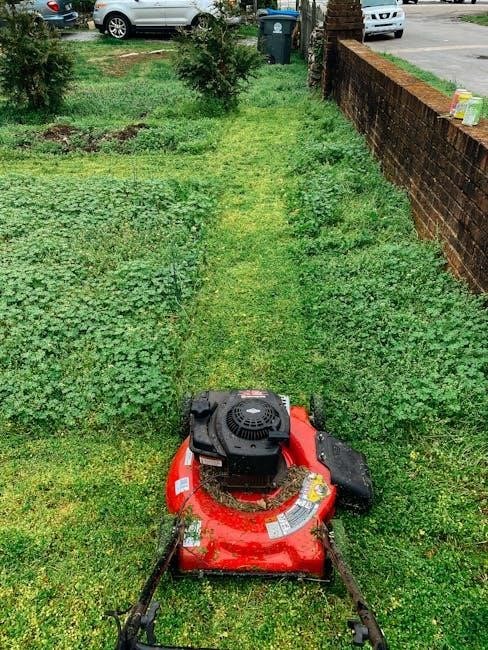
Maintaining sharp mower blades is essential for a clean, healthy cut and optimal mower performance. Dull blades tear grass instead of cutting it, leading to brown tips and increased susceptibility to disease. Sharpen blades regularly, typically after every 25 hours of use, or more frequently if mowing in sandy or abrasive conditions. Use a blade grinder or file to restore the original cutting angle.
Inspect blades for damage, such as cracks or bends. Replace blades if they are severely damaged or cannot be adequately sharpened. Always use genuine Simplicity replacement blades. Ensure proper blade installation, tightening bolts to the manufacturer’s specified torque. Safety is paramount – disconnect the spark plug wire before working on the blades.
Belt Inspection and Replacement
Regularly inspect drive and deck belts for signs of wear, cracking, fraying, or glazing. A worn belt can slip, reducing cutting performance and potentially causing damage to the mower deck. Check belt tension; it should be within the manufacturer’s specifications. Loose belts cause slippage, while overly tight belts can strain pulleys and bearings.
Replace belts that show any signs of significant wear. Disconnect the spark plug wire before performing any belt work; Follow the mower’s service manual for specific belt routing diagrams. Ensure the new belt is properly seated in the pulleys and has the correct tension after installation. Proper belt maintenance extends the life of your mower and ensures efficient operation.
Tire Pressure and Maintenance
Maintaining proper tire pressure is crucial for a smooth ride, optimal traction, and even cutting performance. Check tire pressure regularly, ideally before each use, using a reliable tire pressure gauge. Refer to the mower’s manual or the tire sidewall for the recommended PSI (pounds per square inch). Underinflated tires can lead to scalping and uneven cuts, while overinflated tires result in a harsh ride.
Inspect tires for cuts, bulges, or excessive wear. Rotate tires periodically to promote even wear and extend their lifespan. Clean tires of debris after each use. Proper tire care contributes to the overall safety and efficiency of your Simplicity riding mower, ensuring a comfortable and productive mowing experience.

Troubleshooting Common Issues
This section details solutions for frequent problems, like engine failures, deck malfunctions, and cutting inconsistencies, to restore your mower’s functionality quickly.
Engine Won’t Start
If your Simplicity riding mower engine fails to start, begin with the basics. First, ensure the fuel tank isn’t empty and that the fuel shut-off valve is open. Check the ignition switch; confirm it’s fully engaged. A common culprit is a discharged battery – try jump-starting it with a known good battery, observing proper polarity.
Next, inspect the spark plug. Remove it, check for fouling (carbon buildup), and ensure the gap is correct according to your mower’s specifications. If the spark plug is wet with fuel, the engine may be flooded; allow it to air out before attempting to restart. Also, verify the safety interlock switches (seat switch, blade engagement switch) are functioning correctly, as these prevent starting if not engaged.
Finally, examine the air filter for obstructions. A clogged air filter restricts airflow, hindering starting. If these steps don’t resolve the issue, consult a qualified service technician for further diagnosis.
Mower Deck Not Engaging
When the mower deck refuses to engage, several potential issues could be at play. Initially, confirm the power take-off (PTO) switch is fully engaged. Many Simplicity mowers feature an electric PTO; listen for a clicking sound indicating the solenoid is activating. If no click is heard, check the PTO fuse – a blown fuse is a frequent cause.
Inspect the PTO engagement cable (on models with a mechanical PTO). Ensure it’s properly connected at both ends and isn’t frayed or damaged. A loose or broken cable prevents the deck from engaging. Also, examine the belt that drives the mower deck; a worn, cracked, or broken belt will render the deck inoperable.
Finally, check for obstructions under the mower deck. Debris can sometimes jam the system. If problems persist, a faulty PTO solenoid or a more complex electrical issue may require professional attention.
Uneven Cut
An uneven cut can stem from several factors affecting blade performance and mower deck leveling. First, ensure all tires are inflated to the manufacturer’s recommended pressure – uneven tire pressure causes an imbalanced deck. Next, meticulously level the mower deck itself, using a leveling gauge and adjusting the deck height settings accordingly.
Dull or damaged mower blades are a primary culprit. Sharpen or replace blades, ensuring they are balanced to prevent vibration and an uneven cut. Check for bent or damaged blade spindles, as these can also contribute to the issue. Accumulation of grass clippings under the deck can also cause an uneven cut; thoroughly clean the underside.
Finally, ground speed significantly impacts cut quality; maintain a consistent, moderate speed while mowing. If issues persist, inspect the mower deck for damage or warping.
Excessive Smoke
Excessive smoke from your Simplicity riding mower signals potential engine problems requiring immediate attention. Blue smoke typically indicates oil entering the combustion chamber, potentially due to worn piston rings or valve seals. This necessitates a professional engine inspection and repair. Black smoke suggests an overly rich fuel mixture, often caused by a clogged air filter or a malfunctioning carburetor.
White smoke can signify coolant leaking into the engine, a serious issue demanding immediate shutdown and professional diagnosis. Regularly check the engine oil level and condition; low oil levels exacerbate smoking issues. Ensure the air filter is clean and unobstructed for proper air intake.
Inspect the fuel lines and carburetor for leaks or blockages. If the smoking persists after these checks, consult a qualified mechanic for a thorough engine evaluation.

Hydraulic System Problems
Hydraulic system issues in your Simplicity riding mower can affect steering, lifting, and other crucial functions; A common problem is low hydraulic fluid, causing sluggish operation or complete failure. Regularly check the fluid level using the dipstick and top up with the recommended hydraulic oil type.
Leaks in hoses, cylinders, or the pump can also lead to performance issues. Inspect all hydraulic lines for cracks, wear, or dampness. Air in the system can cause erratic movements; bleeding the system may resolve this. A whining noise often indicates a failing hydraulic pump.
If you encounter persistent hydraulic problems, consult a qualified mechanic. Attempting repairs without proper knowledge can cause further damage and safety hazards.

Parts & Diagrams
Locating accurate parts diagrams and understanding parts numbers are crucial for successful repairs and maintaining your Simplicity riding mower efficiently.
Locating Parts Diagrams
Finding the correct parts diagrams for your Simplicity riding mower is a vital step when performing maintenance or repairs. Several resources are available to assist you in this process. The official Simplicity website (simplicitymfg.com) offers a comprehensive parts lookup tool.
You will typically need your mower’s model number and serial number to access the specific diagrams for your machine. These numbers are usually located on a decal affixed to the mower’s frame. Alternatively, authorized Simplicity dealers can provide you with parts diagrams.
Many online parts retailers specializing in outdoor power equipment also host parts diagrams. These diagrams visually represent the mower’s components, clearly labeling each part with its corresponding part number. Utilizing these diagrams ensures you order the correct replacement parts, saving time and frustration.
Remember to always double-check the diagram against your specific mower model to confirm compatibility before ordering any parts.
Understanding Parts Numbers
Simplicity parts numbers are crucial for accurately ordering replacement components for your riding mower. These numbers are unique identifiers assigned to each individual part, ensuring you receive the correct item for your specific model. Parts numbers typically consist of a combination of numbers and letters, often indicating the part’s function and compatibility.
When referencing parts diagrams, carefully note the part number listed next to the component you need to replace. Always verify the part number against your mower’s model number to confirm compatibility.
Using the incorrect part number can result in receiving a part that doesn’t fit or function properly. Authorized Simplicity dealers and online parts retailers rely on these numbers to fulfill your orders accurately.

Double-checking the part number before finalizing your purchase is a simple step that can save you time, money, and potential frustration.
Ordering Replacement Parts
To order replacement parts for your Simplicity riding mower, several convenient options are available. You can contact your local authorized Simplicity dealer, who can assist you in identifying the correct parts and processing your order. Many dealers also offer online ordering through their websites.
Alternatively, you can utilize Simplicity’s official online parts store, providing access to a comprehensive catalog of parts and diagrams. When ordering, always have your mower’s model and serial number readily available to ensure compatibility.
Be prepared to provide the specific part number you require, as this is the most accurate way to ensure you receive the correct component.
Shipping times and costs will vary depending on the dealer and your location.

Warranty Information
Simplicity mowers are backed by a comprehensive warranty, protecting against defects in materials and workmanship for a specified period.
Simplicity Warranty Details
Simplicity stands behind the quality of its riding mowers with a robust warranty program designed to provide peace of mind to its customers. The specific terms and duration of the warranty can vary depending on the mower model and the date of purchase, so it’s crucial to review your individual warranty documentation carefully.
Generally, Simplicity warranties cover defects in materials and workmanship under normal residential use. This typically includes coverage for the mower’s frame, engine (subject to manufacturer’s warranty), and other key components. However, the warranty does not cover items subject to normal wear and tear, such as blades, belts, tires, and filters, or damage resulting from improper maintenance, accidents, or misuse.
To ensure full warranty coverage, it is essential to adhere to the recommended maintenance schedule outlined in your owner’s manual. Maintaining accurate records of all maintenance performed can also be beneficial in the event of a warranty claim.
Registering Your Mower
Registering your new Simplicity riding mower is a vital step that unlocks several benefits, ensuring a smoother ownership experience and facilitating efficient warranty service should the need arise. Registration typically involves providing your mower’s model and serial number, along with your contact information, through Simplicity’s official website or a mailed-in registration card.
By registering, you establish proof of purchase, which is essential for any warranty claims. Furthermore, registration allows Simplicity to keep you informed about important product updates, safety recalls, and exclusive promotions tailored to your mower model.
Prompt registration demonstrates your ownership and streamlines the process if you ever require assistance from Simplicity’s customer support or authorized service centers. Don’t delay – register your mower today to maximize your benefits!